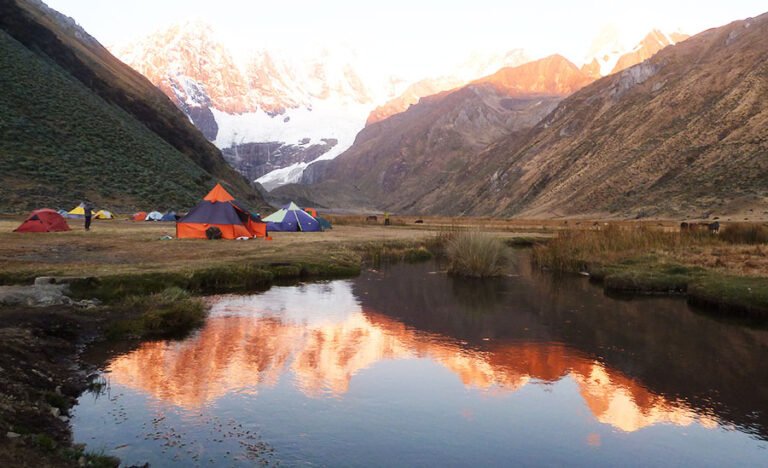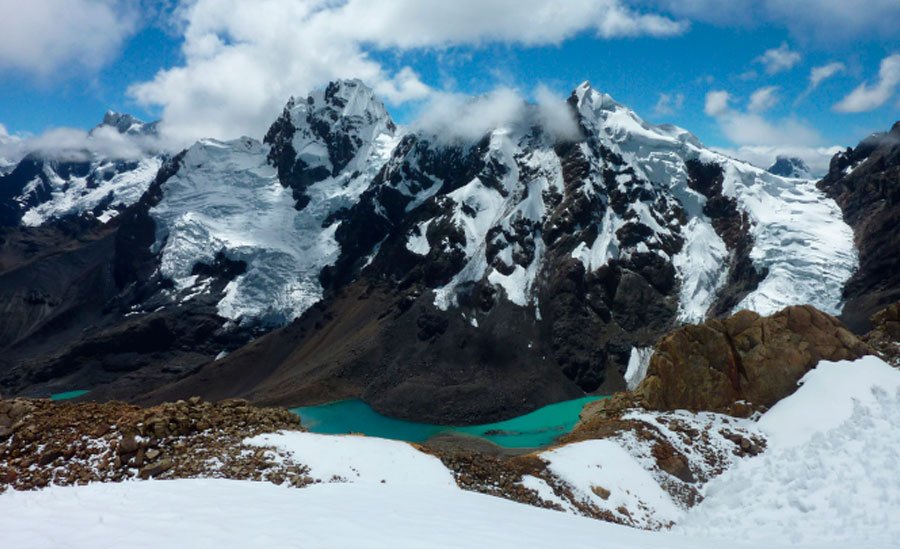
The best time to trek Huayhuash is from May to September, when the Peruvian Andes experience their main dry season. During these months, hikers generally enjoy clearer mountain views, less rainfall, and more favorable conditions for exploring the spectacular Cordillera Huayhuash.
However, choosing the right month involves more than avoiding rain. Nighttime temperatures, trail conditions, mountain visibility, and the number of trekkers can all influence your experience.
Whether you’re planning the classic Huayhuash Circuit or a shorter 8-day expedition, understanding the weather throughout the year will help you choose the best dates for your adventure.
In this guide, we’ll explore the Huayhuash trekking season month by month, compare the dry and rainy seasons, and share practical recommendations for planning your trek from Huaraz, Peru.
When Is the Best Time to Trek Huayhuash?
The most recommended trekking season in the Cordillera Huayhuash runs from May through September, with June, July, and August generally offering the most reliable dry-season conditions.
During this period, the mountain range typically experiences less precipitation, improving the chances of clear views of iconic peaks such as Yerupajá, Siula Grande, and Jirishanca.
Here is a quick overview:
Period | Typical conditions | Trekking recommendation |
|---|---|---|
May | Dry season begins; green valleys and occasional showers | Excellent |
June | Generally dry with clear mountain views | Excellent |
July | Stable conditions and very cold nights | Excellent |
August | Mostly dry; wind may be noticeable | Excellent |
September | Late dry season; increasing variability | Very good |
April and October | Transitional weather | Conditional |
November to March | Wetter conditions and more uncertainty | Generally not recommended |
These are seasonal patterns rather than guaranteed forecasts. High-altitude weather can change unexpectedly at any time of year.
Understanding Huayhuash Weather and Climate
The Cordillera Huayhuash is located in the central Peruvian Andes, south of the Cordillera Blanca.
Its high elevation creates a mountain climate characterized by strong solar radiation, cold nights, and rapidly changing weather.
Much of the Huayhuash Circuit takes place above 4,000 meters (13,123 feet), with several trekking passes rising above 4,500 meters (14,764 feet).
Because of this altitude, hikers can experience warm sunshine, strong winds, freezing temperatures, and occasional snow within the same expedition.
Dry Season in Huayhuash: May to September
The dry season is the preferred period for most international trekkers.
Typical advantages include:
- A greater chance of clear skies and panoramic mountain views.
- Less rainfall than during the wet season.
- Generally drier trekking trails.
- More favorable conditions for camping.
- Better opportunities for landscape photography.
Nevertheless, dry-season weather does not mean warm nights.
Temperatures at high-altitude campsites can drop below freezing, particularly under clear skies.
Rainy Season in Huayhuash: October to April
The wetter period generally develops during October and continues into April, although the transition varies from year to year.
During these months, hikers may encounter frequent clouds, rain, muddy trails, and snow at higher elevations.
Mountain passes can become more difficult to cross, while poor visibility may affect navigation and photography.
For travelers planning their first Huayhuash Circuit, the main dry season is usually the better choice.
Huayhuash Trek Weather Month by Month
Understanding the seasonal differences between months is particularly useful when planning international flights, vacation dates, and trekking departures.
Huayhuash Trek in January
January falls within the Andean rainy season.
Cloud cover, frequent precipitation, and wet trail conditions can make long-distance trekking more challenging.
At higher elevations, snowfall and poor visibility may affect mountain passes.
Recommendation: Not an ideal month for a standard multi-day Huayhuash Circuit.
Huayhuash Trek in February
February is typically one of the wetter months in the Peruvian Andes.
Trails may be muddy, and persistent cloud cover can limit views of the surrounding mountains.
Remote camping conditions can also be more difficult.
Recommendation: Generally avoid scheduling a classic Huayhuash expedition during February.
Huayhuash Trek in March
March remains within the wetter season, although conditions may begin to improve toward the end of the month.
Rain and cloud cover can still be frequent, particularly during afternoons.
Recommendation: Better suited to travelers with considerable mountain experience and flexible plans.
Huayhuash Trek in April
April is a transitional month between the rainy and dry seasons.
The landscapes can be especially green following the summer rains, and occasional clear days provide impressive mountain views.
However, trail conditions and rainfall remain unpredictable.
Recommendation: A possible option toward the end of the month, subject to local weather and route conditions.
Huayhuash Trek in May
May marks the beginning of one of the best periods for trekking in the Cordillera Huayhuash.
Rainfall generally decreases, while the valleys often retain their green appearance from the preceding wet season.
Another advantage is that the trekking routes may be quieter than during the peak months of July and August.
Why choose May?
- Beautiful green mountain landscapes.
- Improving weather conditions.
- Fewer trekking groups compared with peak season.
- Excellent opportunities for photography.
Recommendation: One of the best months for travelers who want a balance between favorable weather and quieter trails.
Huayhuash Trek in June
June is among the most popular months for the Huayhuash Trek.
Dry-season conditions are generally well established, providing excellent opportunities to enjoy panoramic views of the mountains.
Clear skies can make destinations such as Carhuacocha Lake and the Three Lakes Viewpoint particularly impressive.
However, nighttime temperatures can be very cold.
Why choose June?
- Generally stable trekking weather.
- Excellent chances of mountain visibility.
- Drier trails.
- Favorable conditions for multi-day expeditions.
Recommendation: An excellent choice for international travelers prioritizing mountain scenery and relatively stable weather.
Huayhuash Trek in July
July is part of the peak trekking season in the Peruvian Andes.
The weather is generally dry, and mountain views can be spectacular.
However, clear nights at high-altitude campsites can bring freezing temperatures.
Some established camping areas may also receive more trekking groups than during May or September.
Why choose July?
- Favorable dry-season conditions.
- Clear views of snow-covered peaks.
- Excellent opportunities for mountain photography.
- Popular dates for organized trekking expeditions.
Recommendation: Ideal for well-prepared hikers with suitable cold-weather camping equipment.
Huayhuash Trek in August
August generally continues the dry-season pattern.
Many days offer good mountain visibility, although wind can become noticeable on exposed mountain passes and ridgelines.
The combination of strong sunlight, dry air, and cold mornings makes appropriate clothing essential.
Why choose August?
- Favorable conditions for longer circuits.
- Generally good visibility.
- Lower rainfall than during the wet season.
- Excellent opportunities to explore remote valleys.
Recommendation: Another excellent month for completing the Huayhuash Circuit.
Huayhuash Trek in September
September is the final part of the main trekking season.
Many days remain suitable for trekking, although cloud cover and occasional rainfall may become more frequent as the wetter season approaches.
The trails may also be quieter compared with the peak winter holiday period.
Why choose September?
- Good opportunities for mountain views.
- Potentially fewer trekking groups.
- Favorable conditions during stable weather periods.
- A quieter trekking experience.
Recommendation: A very good choice for travelers who can accommodate some weather variability.
Huayhuash Trek in October
October is a transitional month when rainfall generally becomes more frequent.
Clear mornings are still possible, but afternoons may bring clouds, rain, or storms.
Conditions on exposed mountain passes require particular attention.
Recommendation: Consider trekking only after checking current route conditions and discussing the risks with an experienced local operator.
Huayhuash Trek in November
November usually brings increasingly wet conditions.
Rain, poor visibility, and occasional snow at higher elevations can make remote trekking more demanding.
Recommendation: Generally not recommended for travelers planning a standard guided Huayhuash Circuit.
Huayhuash Trek in December
December falls within the rainy season.
Cloud cover and precipitation can significantly affect the trekking experience, particularly at higher elevations.
The combination of wet trails, cold weather, and limited visibility may require substantial itinerary changes.
Recommendation: Not a preferred month for the classic Huayhuash Trek.
What Are the Temperatures on the Huayhuash Trek?
Temperature is one of the most important factors when preparing for the Huayhuash Circuit.
During the dry season, sunny afternoons can feel relatively warm, while temperatures can fall sharply after sunset.
At elevations around 4,000 meters (13,123 feet), daytime temperatures may reach approximately 10–20°C (50–68°F) in favorable sunny conditions.
At night, temperatures can approach or fall below 0°C (32°F), especially at exposed campsites.
Higher elevations, wind, cloud cover, and snowfall can make conditions significantly colder.
These figures are illustrative rather than a forecast for a particular campsite or departure date.
Why Are Nights So Cold in Huayhuash?
During the dry season, clear skies allow heat to escape rapidly after sunset.
The high altitude and exposed terrain contribute to cold overnight conditions.
Travelers should prepare for freezing temperatures even when daytime hiking weather is pleasant.
Is June or July Better for the Huayhuash Trek?
Both June and July are excellent months for trekking in the Cordillera Huayhuash.
June often provides favorable early dry-season conditions, while July is firmly within the main trekking season.
For most travelers, the difference between these months is less important than the actual weather forecast, chosen route, and quality of preparation.
If you are choosing between June and July, consider your vacation schedule, available departures, and tolerance for cold nights.
Neither month guarantees clear skies every day.
Is May or September Better for Trekking Huayhuash?
May and September are attractive alternatives for travelers who prefer a quieter trekking experience.
May offers greener landscapes following the rainy season, while September often provides late dry-season conditions with some increasing weather variability.
Both months can be excellent, although conditions may be less predictable than during the central dry-season period.
May is particularly appealing for travelers interested in green valleys and mountain photography.
September may suit hikers looking for a quieter period toward the end of the trekking season.
Best Time for Photography in the Cordillera Huayhuash
The Cordillera Huayhuash is one of Peru’s most impressive destinations for landscape photography.
Its glacial lakes, towering mountains, and remote valleys create outstanding photographic opportunities.
For clear mountain views, June through August are generally strong choices.
May can be especially beautiful because the landscape often remains green after the rainy season.
Popular photographic locations include:
- Carhuacocha Lake, with views of Yerupajá and Siula Grande.
- The Three Lakes Viewpoint.
- Mitucocha Lake and the surrounding peaks.
- Jahuacocha Lake, surrounded by dramatic mountain scenery.
Early mornings can provide calm conditions and beautiful light, although cloud cover and wind vary from day to day.
What to Pack for the Huayhuash Trek in the Dry Season
Even during the best trekking months, travelers must prepare for cold nights and sudden weather changes.
Essential equipment includes:
- A waterproof and windproof outer jacket.
- A warm down or synthetic insulated jacket.
- Thermal base layers.
- Trekking pants and moisture-wicking clothing.
- Warm gloves and a hat.
- Waterproof or water-resistant trekking boots.
- Sunglasses with strong UV protection.
- Sunscreen and lip balm.
- A suitable cold-weather sleeping bag.
- A comfortable daypack and trekking poles.
A layered clothing system is especially useful because temperatures can change significantly throughout the day.
Before traveling, confirm which camping items and equipment are provided by your trekking operator.
How to Plan Your Huayhuash Trek During the Best Season
Choosing the right month is only the first step in planning a successful expedition.
1. Select Your Preferred Travel Dates
May through September offers the best general window for Huayhuash trekking.
Choose dates that match your schedule and allow enough time for acclimatization.
2. Choose the Right Huayhuash Itinerary
Different trekking routes offer different experiences.
An 8-day trek may appeal to experienced hikers with limited time, while a 10-day itinerary can provide a different pace and route experience.
Explore the available Huayhuash trekking tours to compare your options.
3. Spend Time Acclimatizing in Huaraz
Most travelers access the Cordillera Huayhuash from Huaraz.
Plan several days for gradual acclimatization before beginning a high-altitude expedition, particularly if arriving from sea level.
4. Prepare for Cold Weather
Bring appropriate clothing and camping equipment for freezing nighttime temperatures.
Do not assume that the dry season guarantees warm weather.
5. Confirm Local Conditions Before Departure
Mountain weather changes rapidly.
Check updated forecasts, trail conditions, community access arrangements, and transportation logistics before starting your expedition.
Frequently Asked Questions About Huayhuash Trekking Season
What Is the Best Month to Trek Huayhuash?
June, July, and August are generally among the best months because they fall within the main dry season. May and September are also excellent options for many travelers.
Can You Trek Huayhuash in May?
Yes. May is a popular early dry-season option, often offering green valleys, improving weather, and fewer trekking groups than peak-season months.
Is July Too Cold for the Huayhuash Trek?
July can bring freezing temperatures at high-altitude campsites, particularly overnight. With appropriate clothing and camping equipment, it remains one of the most popular trekking months.
Can You Trek Huayhuash in October?
It may be possible during favorable weather periods, but October is a transitional month with increasing rainfall. Current local conditions should determine whether an expedition is appropriate.
Does It Snow on the Huayhuash Trek?
Yes. Snow can occur on high mountain passes at any time of year, including during the dry season. Conditions vary according to altitude and weather systems.
Is the Huayhuash Trek Open Year-Round?
There is no single year-round operating schedule that guarantees access to every route. Trekking feasibility depends on weather, trail conditions, community arrangements, and operator decisions.
What Is the Rainy Season in Huayhuash?
The wetter season generally extends from October through April, with substantial year-to-year variation. The wettest conditions are commonly experienced between December and March.
Plan Your Huayhuash Trek with Colonia Expeditions
The best time to trek Huayhuash is generally between May and September, when the Peruvian Andes offer more favorable conditions for exploring this extraordinary mountain range.
June, July, and August are excellent choices for travelers seeking clearer mountain views and established dry-season conditions.
May and September are also attractive options for those who prefer quieter trekking routes and greater flexibility.
At Colonia Expeditions, we help international travelers explore the Cordillera Huayhuash through trekking itineraries departing from the Huaraz region.
Whether you are considering an 8-day adventure or a longer circuit, choosing the right dates and itinerary is essential for a rewarding experience.
Ready to plan your Huayhuash adventure?
Explore our Cordillera Huayhuash trekking programs and contact Colonia Expeditions to discuss your preferred travel dates, available departures, and expedition options.
Discover the Cordillera Huayhuash with Colonia Expeditions.