The Huayhuash Trek is considered a challenging high-altitude trekking adventure, best suited to hikers with good physical fitness, previous mountain hiking experience, and adequate acclimatization.
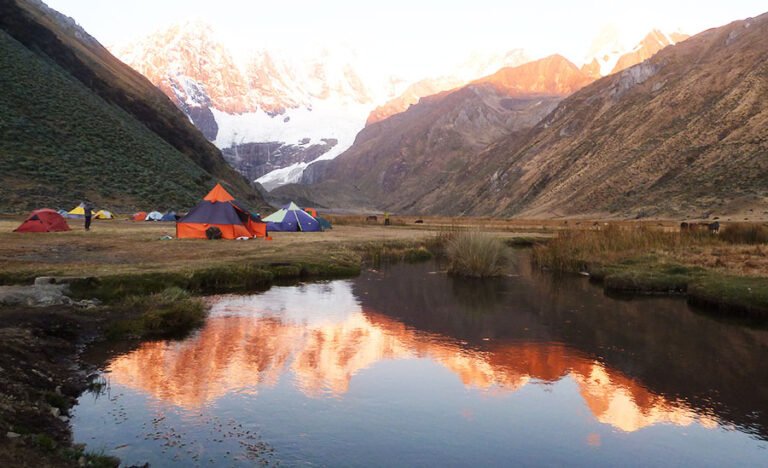
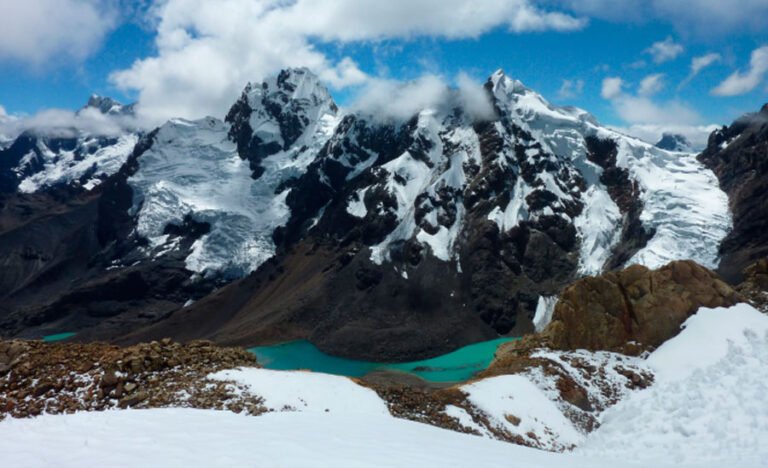
Located in the Peruvian Andes, the Cordillera Huayhuash is famous for its dramatic snow-capped mountains, turquoise glacial lakes, remote valleys, and demanding mountain passes.
But how hard is the Huayhuash Trek? Can beginners complete it? And how should you prepare for hiking at elevations approaching 5,000 meters (16,404 feet)?
In this guide, we’ll explain the main challenges of the Huayhuash Circuit, including altitude, physical demands, trekking experience, acclimatization, and practical training recommendations.
Whether you’re considering an 8-day or 10-day expedition, understanding the difficulty of the route will help you prepare for a safer and more rewarding adventure.
How Hard Is the Huayhuash Trek?
The Huayhuash Trek difficulty is generally rated as challenging to strenuous, depending on the route, duration, and individual fitness level.
Most established trekking routes do not require technical climbing skills. However, they involve several consecutive days of hiking through remote mountainous terrain.
The main challenges include:
- Walking for several hours on consecutive days.
- Crossing mountain passes above 4,500 meters (14,764 feet).
- Hiking on steep, rocky, and uneven trails.
- Camping at high elevations in cold conditions.
- Managing fatigue over a multi-day expedition.
- Adapting to reduced oxygen availability at altitude.
Some routes approach or exceed 5,000 meters (16,404 feet), making acclimatization particularly important.
Unlike a typical day hike, the Huayhuash Circuit requires sustained endurance and the ability to recover between demanding trekking stages.
Huayhuash Trek Difficulty at a Glance
Factor | General conditions |
|---|---|
Overall difficulty | Challenging to strenuous |
Technical climbing | Usually not required on standard trekking routes |
Trek duration | Commonly 8–12 days; shorter routes also exist |
Daily hiking | Often approximately 5–8 hours, depending on the itinerary |
Trekking altitude | Many sections above 4,000 m |
High mountain passes | Frequently above 4,500 m |
Accommodation | Mountain camping |
Recommended experience | Previous multi-day mountain trekking |
Physical preparation | Strong cardiovascular endurance and hiking fitness |
These are general characteristics. Daily walking hours, altitude, and route difficulty vary between trekking programs.
Why Is the Huayhuash Trek So Challenging?
Several factors make the Cordillera Huayhuash one of Peru’s more demanding trekking destinations.
1. High Altitude
Altitude is one of the biggest challenges of the Huayhuash Circuit.
Many trekking campsites are situated above 4,000 meters (13,123 feet), while mountain passes can reach significantly higher elevations.
At these altitudes, the reduced oxygen pressure makes physical activity more demanding.
Even experienced hikers may find themselves breathing harder and moving more slowly than they would at sea level.
Importantly, good physical fitness does not guarantee protection against altitude sickness.
2. Multiple Mountain Passes
The Huayhuash Circuit crosses a series of mountain passes that connect remote valleys.
Depending on the route, hikers may encounter passes such as:
- Cacananpunta.
- Carhuac Pass.
- Siula Pass.
- Portachuelo de Huayhuash.
- Punta Cuyoc.
- San Antonio Pass or viewpoint.
Not every itinerary includes all these locations, and some viewpoints involve optional or more demanding sections.
Crossing mountain passes requires sustained uphill effort, followed by descents that can place considerable strain on the knees and legs.
3. Consecutive Days of Trekking
Unlike a single-day excursion, the Huayhuash Trek involves repeated physical effort over several days.
Even when daily distances appear manageable, accumulated fatigue can become significant.
Hikers need sufficient endurance to maintain a steady pace while carrying a daypack and moving through high-altitude terrain.
4. Remote Mountain Environment
The Cordillera Huayhuash is a relatively remote trekking destination.
Many campsites are far from roads, towns, and medical facilities.
Weather conditions can change quickly, and communication may be limited.
This makes preparation, route planning, and appropriate emergency arrangements especially important.
5. Cold Weather and Camping Conditions
Even during the dry season, temperatures can drop below freezing at high-altitude campsites.
Cold nights, wind, and limited facilities can affect sleep and recovery.
Travelers should be comfortable with basic camping conditions and have suitable equipment for mountain environments.
Huayhuash Trek Altitude: How High Will You Go?
The Huayhuash Trek altitude is one of the defining characteristics of the expedition.
The Cordillera Huayhuash is home to Yerupajá, the second-highest mountain in Peru, rising to approximately 6,635 meters (21,768 feet).
Although standard trekking routes do not involve climbing Yerupajá, hikers travel through valleys and mountain passes at considerable elevations.
Typical Elevations on the Huayhuash Circuit
Location or terrain | Approximate altitude |
|---|---|
Huaraz | 3,050 m / 10,007 ft |
Mitucocha Lake | 4,200 m / 13,780 ft |
Carhuacocha Lake | 4,150 m / 13,615 ft |
Jahuacocha Lake | 4,050 m / 13,287 ft |
Many mountain passes | 4,500–4,800 m / 14,764–15,748 ft |
Some high passes and viewpoints | Around 5,000 m / 16,404 ft |
Elevations are approximate and may differ by campsite, trail, and measurement source.
Is 5,000 Meters Dangerous?
Traveling near 5,000 meters requires serious attention to altitude-related risks.
At these elevations, oxygen availability is substantially lower than at sea level.
Some hikers experience headaches, nausea, dizziness, fatigue, or sleep disturbances.
More serious altitude illness can develop and requires prompt action.
The safest approach is gradual acclimatization, careful monitoring of symptoms, and avoiding further ascent when altitude illness is suspected.
How to Acclimatize for the Huayhuash Trek
Proper acclimatization is essential when preparing for the Huayhuash Circuit.
Most international travelers arrive in Peru through Lima before traveling to Huaraz, which sits at approximately 3,050 meters above sea level.
Because Huaraz is already at a significant altitude, visitors should allow time to adapt before starting a demanding expedition.
How Many Days Should You Acclimatize in Huaraz?
A common planning recommendation is to allow approximately 2–3 days or more in Huaraz before beginning the Huayhuash Trek.
However, the appropriate acclimatization schedule depends on your recent altitude exposure, individual response, and the elevations of the planned route.
For travelers arriving directly from sea level, a longer and more gradual ascent may be advisable.
A few days in Huaraz do not guarantee that you will be adequately acclimatized for sleeping above 4,000 meters.
Recommended Acclimatization Activities
Depending on your condition and experience, preparation around Huaraz may include:
- Easy walks around the city.
- Gradually increasing hiking activity.
- Carefully selected day hikes at higher elevations.
- Rest and recovery between activities.
Popular hikes around Huaraz include Wilcacocha, Churup, and Lake 69, but these reach different elevations and should not be treated as interchangeable acclimatization options.
High-altitude day hikes should only be attempted when appropriate for your current acclimatization and physical condition.
Important Altitude Safety Tips
- Ascend gradually whenever possible.
- Avoid strenuous activity during the initial adjustment period.
- Maintain adequate hydration and nutrition.
- Avoid excessive alcohol consumption.
- Monitor headaches, nausea, dizziness, and unusual fatigue.
- Do not ascend to sleep higher when experiencing symptoms of altitude sickness.
- Descend promptly if symptoms worsen, and seek medical care.
- Treat confusion, difficulty walking straight, or breathlessness at rest as medical emergencies requiring urgent descent and assistance.
Consult a qualified healthcare professional about altitude-related risks and preventive medication before traveling.
How Fit Do You Need to Be for the Huayhuash Trek?
You do not need to be a professional athlete to complete the Huayhuash Circuit.
However, you should have a strong foundation of cardiovascular fitness, muscular endurance, and experience walking on mountain terrain.
The most useful physical abilities include:
Cardiovascular Endurance
You should be comfortable walking uphill for extended periods while maintaining a sustainable pace.
Hiking, cycling, running, and stair climbing can help improve cardiovascular fitness.
Leg Strength
Strong legs are important for both ascents and descents.
Training should focus on the quadriceps, hamstrings, glutes, and calves.
Balance and Stability
Rocky trails and uneven terrain require good balance.
Single-leg exercises, controlled step-downs, and hiking on varied surfaces can improve stability.
Muscular Endurance
The ability to repeat physical effort on consecutive days is particularly important.
Long hikes and back-to-back training sessions can help prepare you for the demands of a multi-day expedition.
How to Train for the Huayhuash Trek
A structured training program can help improve your readiness for the expedition.
For many hikers, beginning dedicated preparation approximately 8–12 weeks before departure is a useful starting point.
Travelers with limited hiking experience may need more time.
Weeks 1–4: Build Your Fitness Foundation
Focus on developing regular exercise habits and improving basic endurance.
Suggested activities include:
- Brisk walking or hiking several times per week.
- Moderate cardiovascular exercise.
- Basic leg-strength training.
- Mobility and balance exercises.
Gradually increase exercise duration according to your fitness level.
Weeks 5–8: Increase Hiking Endurance
Begin incorporating longer hikes and more challenging uphill terrain.
Useful activities include:
- Weekend hikes with elevation gain.
- Stair climbing.
- Strength training focused on legs and core.
- Walking with a light daypack.
- Occasional consecutive hiking days.
The goal is to become comfortable with sustained physical effort.
Weeks 9–12: Prepare for Multi-Day Trekking
During the final preparation phase, focus on hiking-specific endurance.
Activities may include:
- Longer mountain hikes.
- Back-to-back hiking days.
- Training on uneven trails.
- Walking with the daypack you plan to use.
- Testing trekking boots and clothing.
Reduce training intensity before departure to allow adequate recovery.
Training should be adapted to your current fitness, injury history, and medical circumstances.
Can Beginners Do the Huayhuash Trek?
The Huayhuash Circuit is generally not recommended as a first multi-day high-altitude trek.
Although standard routes do not usually require technical mountaineering, the combination of altitude, physical effort, remote camping, and changing weather makes the expedition demanding.
Beginners interested in Huayhuash should first gain experience with shorter mountain hikes and multi-day trekking.
Recommended Experience Before Huayhuash
Useful preparation may include:
- Completing several long day hikes.
- Hiking on trails with significant elevation gain.
- Experiencing overnight camping.
- Practicing hiking with a daypack.
- Completing a shorter multi-day trekking expedition.
For travelers visiting Huaraz, suitable trekking preparation may include selected routes in the Cordillera Blanca, provided the altitude and difficulty match their experience.
Is the Huayhuash Trek Harder Than the Inca Trail?
For many hikers, the classic Huayhuash Circuit is more physically demanding than the traditional four-day Inca Trail to Machu Picchu.
The main differences are the duration, remoteness, altitude exposure, and number of demanding trekking stages.
Factor | Huayhuash Circuit | Classic Inca Trail |
|---|---|---|
Typical duration | Often 8–12 days | Usually 4 days |
Terrain | Remote mountain passes and valleys | Mountain trails and stone steps |
Altitude exposure | Repeated high-altitude passes | One principal high pass and other elevated sections |
Camping | Multiple nights in remote mountain areas | Established trekking campsites |
Overall challenge | Generally more sustained | Demanding but usually shorter |
Both routes require physical preparation and acclimatization.
The comparison may differ for shorter Huayhuash routes or alternative Inca Trail itineraries.
Huayhuash Trek 8 Days vs. 10 Days: Which Is More Difficult?
The duration of your expedition influences the trekking experience, but it does not determine difficulty by itself.
Huayhuash Trek 8 Days
An 8-day itinerary may involve longer hiking stages if it covers similar terrain in less time.
This can be suitable for experienced hikers with strong endurance and limited vacation time.
However, some 8-day routes cover fewer destinations and may have a different overall difficulty level.
Huayhuash Trek 10 Days
A 10-day itinerary may provide more time to explore the mountain range.
Depending on the route, the additional days can allow a different trekking pace or visits to additional locations.
Nevertheless, spending more days at altitude also requires sustained endurance.
Which is easier? Compare the actual daily walking hours, elevation gain, mountain passes, and maximum sleeping altitude before choosing.
Best Time to Trek Huayhuash for Safer Trail Conditions
The best general trekking season is from May to September, during the Andean dry season.
June, July, and August are especially popular because they typically offer more stable weather and clearer mountain views.
However, freezing temperatures, snow, and strong winds can occur even during the dry season.
Travelers should prepare for changing conditions and check current weather information before departure.
For a detailed seasonal overview, read our article Best Time to Trek Huayhuash: Weather, Seasons and Monthly Guide.
Essential Gear for a Challenging Huayhuash Trek
Appropriate equipment helps improve comfort and reduce avoidable risks.
Clothing
- Waterproof and windproof jacket.
- Warm insulated jacket.
- Thermal base layers.
- Hiking pants.
- Warm hat and gloves.
- Moisture-wicking socks.
- Suitable trekking boots.
Trekking Equipment
- Comfortable daypack.
- Trekking poles.
- Headlamp.
- Sunglasses and sunscreen.
- Water bottles or hydration system.
- Personal first-aid supplies.
- Navigation and communication equipment appropriate to the expedition.
Camping Equipment
Depending on your trekking package, you may need:
- Cold-weather sleeping bag.
- Insulated sleeping mat.
- Tent and camping accessories.
- Personal toiletries.
- Additional warm clothing.
Always confirm which items are included in your expedition before departure.
Frequently Asked Questions About Huayhuash Trek Difficulty
How Difficult Is the Huayhuash Trek?
The Huayhuash Trek is generally challenging to strenuous because of its high altitude, repeated mountain passes, remote terrain, and consecutive days of hiking.
Do You Need to Be Very Fit for the Huayhuash Trek?
Good cardiovascular fitness, muscular endurance, and previous hiking experience are strongly recommended. You do not need to be an elite athlete, but you should be comfortable with demanding mountain hikes.
What Is the Highest Altitude on the Huayhuash Trek?
The highest point depends on the itinerary. Some routes cross passes or viewpoints around 5,000 meters (16,404 feet) above sea level.
How Many Hours Do You Walk Each Day?
Many itineraries involve approximately 5–8 hours of hiking per day, although some stages may be shorter or longer depending on the route and conditions.
Can You Do the Huayhuash Trek Without Experience?
It is not advisable to attempt a demanding Huayhuash Circuit without previous multi-day hiking experience and appropriate physical preparation.
How Many Days Should You Acclimatize Before Huayhuash?
Travelers commonly plan several days in Huaraz before departure, but the required acclimatization varies. A gradual ascent schedule and individual response to altitude are more important than a fixed number of days.
Is the Huayhuash Trek Dangerous?
Like other remote high-altitude expeditions, the Huayhuash Trek involves risks related to altitude illness, weather, falls, and limited access to emergency services. Appropriate preparation, realistic route selection, and reliable expedition logistics help manage these risks.
Do You Need Technical Climbing Skills?
Technical climbing skills are generally not required for established Huayhuash trekking routes. However, certain optional high routes or mountain ascents may require specialized experience and equipment.
Prepare for Your Huayhuash Trek with Colonia Expeditions
The Huayhuash Trek difficulty should not be underestimated. Its high-altitude mountain passes, remote campsites, and consecutive trekking days make it a demanding adventure.
However, with suitable hiking experience, physical preparation, appropriate acclimatization, and careful planning, many well-prepared travelers can enjoy this extraordinary region.
Whether you are considering an 8-day expedition or a longer Huayhuash Circuit, choosing the right itinerary is an important part of preparing for your journey.
At Colonia Expeditions, we help international travelers explore the spectacular landscapes of the Peruvian Andes.
Ready to plan your Huayhuash adventure?
Explore our Huayhuash trekking tours in Peru and contact Colonia Expeditions to discuss itinerary difficulty, departure dates, and expedition arrangements.
Discover the Cordillera Huayhuash with Colonia Expeditions.